

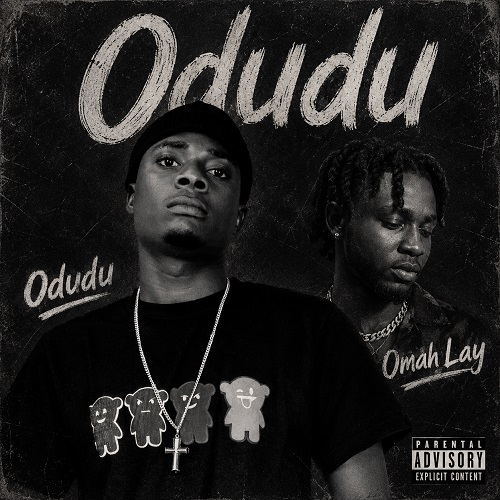


Nigeria’s music scene continues to shape global culture, producing artists whose sounds stretch beyond Afrobeats into deeply emotional, genre-bending territories. Among the rising voices carving unique identities is Amos Iyimogah, professionally known as Odudu, an emerging artist whose raw expression and street-inspired energy position him as a compelling figure in the new generation of African music.
When compared to globally recognized Nigerian star Omah Lay, Odudu presents an interesting contrast and similarity at the same time. Both artists tap into emotion, atmosphere, and modern African youth culture, yet they approach music, image, and storytelling from very different angles.
The Sound: Emotional Minimalism vs. Street-Rooted Expression
Omah Lay’s Emotional Universe
Omah Lay became famous for creating deeply emotional records that blend Afrobeats, soul, R&B, and atmospheric production. His music often feels intimate and vulnerable. Songs like Bad Influence, Understand, and Soso showcase themes of heartbreak, loneliness, fame, anxiety, and desire.
What separates Omah Lay from many Afrobeats artists is his restraint. His sound is soft, melodic, and emotionally immersive. Instead of loud production or aggressive delivery, he leans into mood, vulnerability, and emotional honesty.
His voice carries pain and reflection, making listeners feel as though they are hearing private thoughts turned into music.
Odudu’s Emerging Sonic Identity
Odudu, on the other hand, projects a more grounded and street-conscious energy. While still emotionally expressive, his artistic image leans toward grit, realism, confidence, and youthful rebellion. From his visual presentation to his styling, there is a stronger sense of rawness and underground authenticity.
Where Omah Lay often sounds introspective and emotionally fragile, Odudu appears more defiant and self-assured. His sound has the potential to occupy the intersection between Afro-fusion, street Afrobeats, trap-influenced rhythms, and emotionally charged storytelling.
The contrast can be summarized simply:
- Omah Lay creates music that feels internal.
- Odudu creates music that feels external and expressive.
One speaks from emotional solitude; the other speaks from lived street energy and ambition.
Lifestyle and Image
Omah Lay: The Introverted Superstar
Omah Lay has cultivated the image of a quiet, emotionally burdened artist. Even after achieving international fame, his public persona remains reflective and mysterious.
His fashion style is subtle yet stylish — oversized fits, monochrome palettes, luxury streetwear, and emotionally cinematic visuals. He rarely appears overly flashy despite his success, reinforcing his image as a thoughtful and emotionally complex musician.
Fans connect with him because he feels relatable. His vulnerability makes him human.
Odudu: Street Aesthetic and Raw Confidence
Odudu’s visual identity communicates toughness, simplicity, and authenticity. From monochrome photography to urban styling, chains, dark clothing, and serious facial expressions, his branding reflects the culture of modern African street music and youth resilience.
There is an energy of hunger in his presentation — the feeling of someone determined to rise through creativity and self-expression.
Unlike Omah Lay’s emotionally soft aura, Odudu’s image leans toward:
- confidence,
- survival,
- loyalty to roots,
- and artistic independence.
This distinction is important because today’s audience values authenticity more than perfection. Odudu’s aesthetic suggests he is building his artistry from real-life experiences rather than manufactured celebrity culture.
Musical Influence and Cultural Positioning
Omah Lay’s Global Reach
Omah Lay operates on an international scale. His music easily crosses into global playlists because it combines Afrobeats with universal emotional themes. He appeals equally to African listeners and international audiences seeking emotionally rich contemporary music.
His influence is already visible in younger African artists who now prioritize mood, vulnerability, and melodic storytelling.
Odudu’s Potential Lane
Odudu represents a newer wave of artists still shaping their sonic identity but already displaying strong branding instincts. His appeal may grow from authenticity and relatability rather than polished mainstream formulas.
If Omah Lay represents emotional introspection in Afrobeats, Odudu could evolve into a voice for urban ambition, street consciousness, and youthful resilience.
That positioning matters because African music is expanding rapidly. There is growing room for artists who combine:
- emotional honesty,
- visual storytelling,
- street culture,
- and genre experimentation.
Odudu’s current image already aligns with this evolving movement.
Similarities Between Odudu and Omah Lay
Despite their differences, both artists share key qualities:
1. Emotional Presence
Neither artist relies purely on dance music energy. There is emotion behind the music and image.
2. Strong Visual Branding
Both understand the power of aesthetics in modern music culture. Their visuals help define their identities before listeners even hear the music.
3. Youth Connection
They represent modern African youth experiences:
- pressure,
- ambition,
- relationships,
- identity,
- survival,
- and self-expression.
4. Atmospheric Energy
Even with different styles, both artists create moods rather than simply songs.
Final Thoughts
The comparison between Amos Iyimogah (Odudu) and Omah Lay reveals two different approaches to modern African artistry.
Omah Lay embodies introspection, vulnerability, and emotional sophistication. His music feels like late-night reflection and emotional confession.
Odudu, meanwhile, represents raw ambition, street realism, and expressive confidence. His aesthetic suggests an artist still evolving but already aware of the power of identity and authenticity.
As African music continues to dominate the global stage, artists like Odudu have the opportunity to create entirely new lanes — not by copying established stars, but by transforming personal experience into sound, image, and cultural influence.
The future of African music belongs not only to polished superstars, but also to voices that feel real, fearless, and emotionally connected to the streets they come from.